
Challenges in Blow Molded PET Bottles
Blow molding is a process whereby hollow plastic parts are manufactured by inflating a heated plastic tube with compressed air. The Polyethylene Terephthalate (PET) bottle is one of the most commonly marketed types of blow molded containers used widely in a variety of applications, including beverages, food, and personal care products. Despite its popularity, manufacturing of blow molded PET bottles can be a challenging process. There are a host of potential problems that can occur during manufacturing, which can lead to defects in the bottles. We shall look at some of the most common problems faced while manufacturing blow molded PET bottles and how to avoid them.
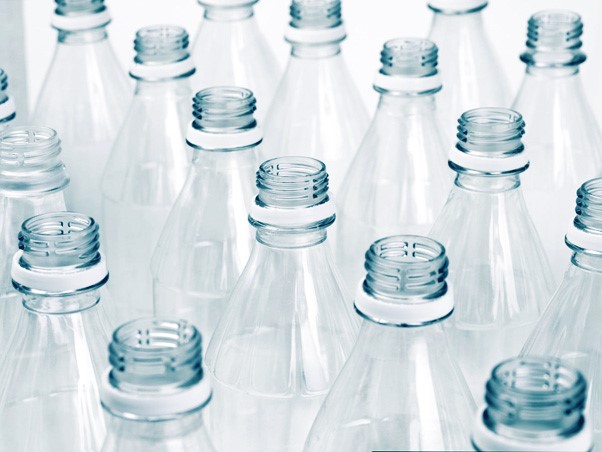
1. Preform defects: Preforms are the pre-shaped plastic tubes that are used in the blow molding process. Defects in the preforms can lead to a variety of problems in the finished bottles, such as:
• Leakage: Defects in the preform, such as cracks or holes, can allow the contents of the bottle to leak out.
• Poor appearance: Defects in the preform can also lead to poor appearance in the finished bottle, such as uneven thickness or surface imperfections.
• Reduced structural integrity: Defects in the preform can weaken the bottle and make it more susceptible to breakage.
2. Parison defects: The parison is the heated plastic tube that is inflated to form the bottle. Defects in the parison can lead to a variety of problems in the finished bottles, such as:
• Neck defects: Defects in the parison can cause problems with the neck of the bottle, such as uneven thickness or incorrect dimensions.
• Base defects: Defects in the parison can also cause problems with the base of the bottle, such as uneven thickness or poor adhesion to the body of the bottle.
• Surface defects: Defects in the parison can also lead to surface defects in the finished bottle, such as wrinkles or bubbles.
3. Bottle defects: Bottle defects can occur during any stage of the blow molding process. Some of the most common bottle defects include:
• Flash: Flash is a thin layer of excess plastic that forms at the seam of the bottle. Flash can be caused by a variety of factors, such as incorrect mold temperature or pressure, or improper mold alignment.
• Neck imperfections: Neck imperfections can include uneven thickness, incorrect dimensions, or poor adhesion to the body of the bottle. Neck imperfections can be caused by a variety of factors, such as incorrect mold temperature or pressure, or improper mold alignment.
• Base imperfections: Base imperfections can include uneven thickness, poor adhesion to the body of the bottle, or voids in the plastic. Base imperfections can be caused by a variety of factors, such as incorrect mold temperature or pressure, or improper mold alignment.
• Surface defects: Surface defects can include wrinkles, bubbles, or scratches. Surface defects can be caused by a variety of factors, such as incorrect mold temperature or pressure, or improper mold alignment.
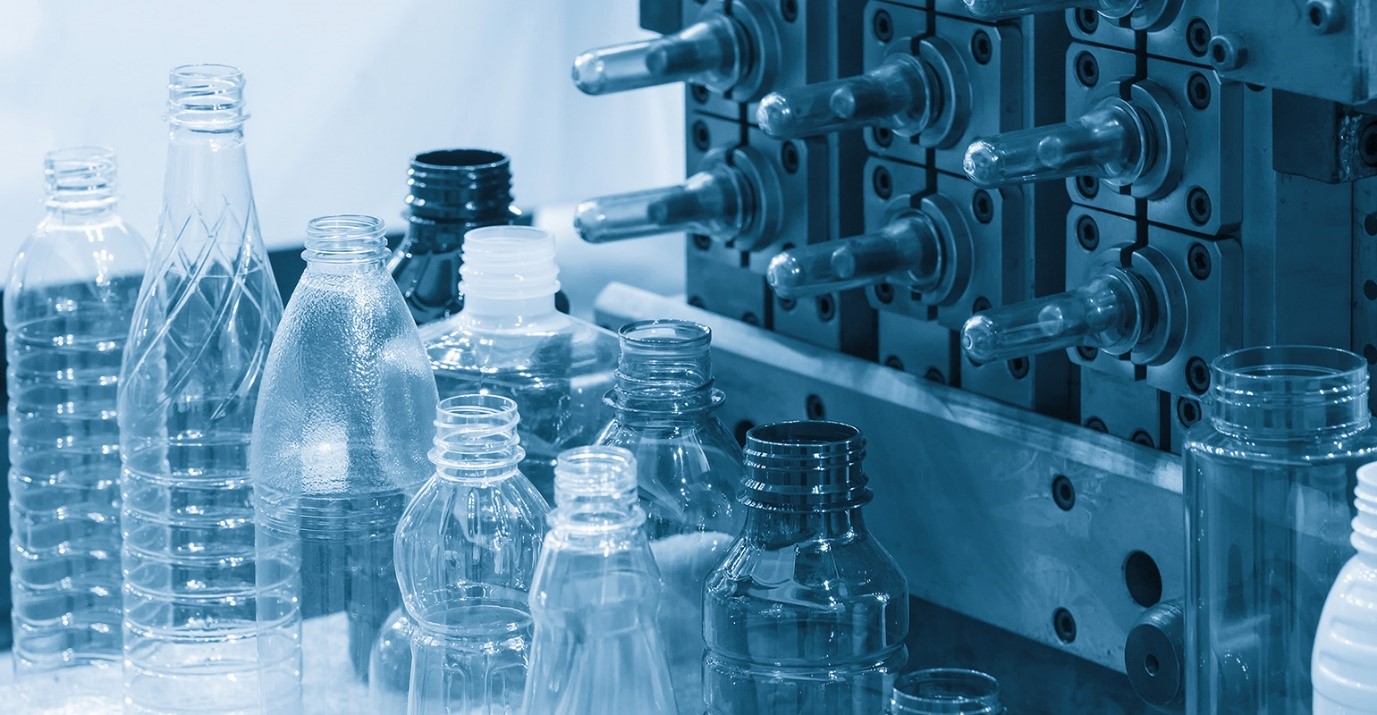
Addressing problems in PET blow molding, such as preform defects, parison defects, and bottle defects, requires a combination of careful quality control measures and process optimization. To mitigate preform defects, it is imperative to start with high-quality raw materials, ensuring the preforms are free from cracks, holes, and inconsistencies. Rigorous preform inspections before initiating the blow molding process can help in preventing leakage, enhancing appearance, and preserving structural integrity in the final bottles. For parison defects, maintaining precise control over temperature and pressure during the heating and inflation stages is crucial. This control helps to prevent issues like neck defects, base defects, and surface defects. Consistent monitoring and inspection of the parison before inflation are essential steps to ensure a flawless final product. To combat bottle defects throughout the blow molding process, factors like mold temperature, pressure, and alignment must be optimized. Issues like flash, neck imperfections, base imperfections, and surface defects can be minimized by fine-tuning these process variables, ensuring uniformity and quality in the produced bottles. By adopting a comprehensive approach that combines material quality control, process optimization, and thorough inspections, manufacturers can significantly reduce defects and enhance the overall quality of PET blow molded bottles.
If you have any other questions or would like to suggest topics for us to write about, please feel free to contact us at prashant.gupta@polymerupdateacademy.com
Author
Dr. Prashant Gupta

