
Shaping the Future: Understanding the Power of 3D Printing with Polymers
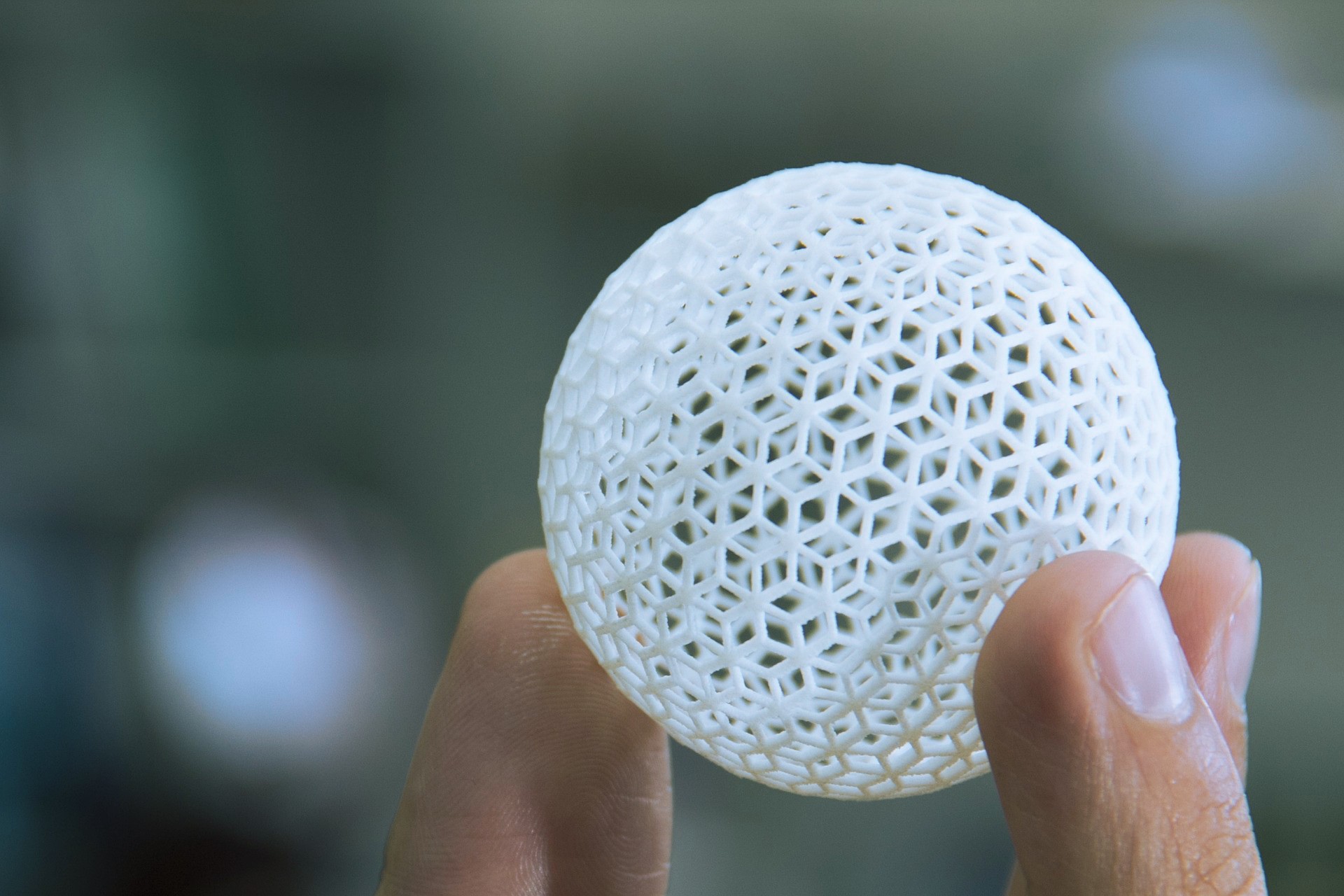
The world of manufacturing is undergoing a remarkable transformation, with 3D printing at the forefront of this revolution. Polymers have emerged as key players among the various materials used in this innovative technology. With its versatile properties and wide-ranging applications, polymer-based 3D printing is reshaping industries across the globe. Before we explore the world of polymer-based 3D printing, let's first understand the fundamental principles of this technology. 3D printing, also known as additive manufacturing, involves the creation of three-dimensional objects by adding successive layers of material. Unlike traditional manufacturing methods that involve subtractive processes, such as cutting or shaping, 3D printing enables the precise layer-by-layer construction of objects based on digital designs. Polymers, with their diverse range of physical and chemical properties, have become the preferred material for 3D printing. They offer a unique combination of flexibility, durability, and cost-effectiveness, making them ideal for various applications. The ability to print with different types of polymers, including thermoplastics, photopolymers, and elastomers, allows for the creation of objects with customized properties. There are several types of 3D printing technologies available for producing plastic parts. The most common ones include Fused Deposition Modelling (FDM), Stereolithography (SLA), and Selective Laser Sintering (SLS).
-
Fused Deposition Modelling or Fused Filament Fabrication: FDM is one of the most widely used 3D printing techniques for plastics. It works by extruding a thermoplastic filament through a heated nozzle that moves in a controlled manner. The filament is deposited layer by layer, solidifying as it cools down. FDM is known for its simplicity, affordability, and accessibility. It can produce functional prototypes, end-use parts, and complex geometries. However, the surface finish may not be as smooth as other techniques, and dimensional accuracy can be affected by factors such as cooling and material shrinkage.
-
Stereolithography: SLA is a resin-based 3D printing technique that uses a liquid photopolymer resin that solidifies when exposed to a specific wavelength of light, typically ultraviolet (UV) light. SLA printers use a movable platform that gradually lifts the object out of the resin bath as each layer is cured. SLA offers excellent resolution, high level of detail, and smooth surface finish. It is commonly used for producing intricate models, jewellery, dental molds, and prototypes that require high accuracy. However, SLA equipment and resins can be more expensive than other techniques, and post-processing is often required to remove excess resin and cure the printed object completely.
-
Selective Laser Sintering (SLS): SLS is a powder-based 3D printing technique that utilizes a high-powered laser to selectively fuse powdered thermoplastic materials, such as nylon, layer by layer. The powdered material acts as both the build material and the support structure, allowing for complex geometries without the need for additional supports. SLS can produce functional and durable parts with excellent mechanical properties. It is often used for rapid prototyping, production of end-use parts, and applications where high strength and heat resistance are required. However, SLS machines are typically more expensive, and post-processing is necessary to remove excess powder and achieve desired surface finish.
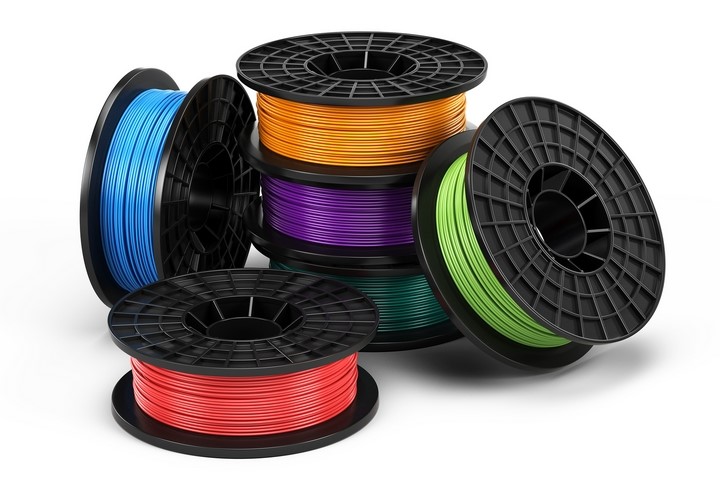
There are several types of plastic materials used in 3D printing, including ABS, PLA, PETG, Nylon, TPU, and more. Each material has its own unique properties, such as strength, flexibility, and durability. Some of the popular 3D printed materials are:
-
ABS: ABS (Acrylonitrile Butadiene Styrene) is a popular thermoplastic material used in 3D printing. It is known for its strength, durability, and ability to withstand high temperatures. ABS is commonly used in the production of automotive parts, toys, and electronic housings.
-
PLA: PLA (Polylactic Acid) is a biodegradable thermoplastic material made from renewable resources such as cornstarch or sugarcane. It is known for its ease of use, low cost, and environmental friendliness. The talk of sustainability is also pushing the market for 3D printed products. PLA is commonly used in the production of food packaging, medical implants, etc.
-
PETG: PETG (Polyethylene Terephthalate Glycol) is a strong and flexible thermoplastic material that is resistant to impact and chemicals. It is commonly used in the production of water bottles, food containers, and medical devices.
-
Nylon: Nylon is a strong and durable thermoplastic material that is known for its flexibility and resistance to wear and tear. It is commonly used in the production of gears, bearings, and other mechanical parts.
-
TPU: TPU (Thermoplastic Polyurethane) is a flexible and elastic thermoplastic material that can be stretched up to 600% without breaking. It is commonly used in the production of phone cases, shoe soles, and other soft-touch products.
In terms of manufacturing, one significant advantage of polymer-based 3D printing is the ability to produce complex geometries and intricate designs that would be challenging or impossible to achieve with traditional manufacturing methods. This opens new possibilities in fields such as aerospace, automotive, healthcare, consumer goods, and more.
Polymer-based 3D printing is bringing remarkable benefits to various industries. In aerospace and automotive sectors, this technology is proving invaluable by enabling the production of lightweight structures, intricate engine parts, and complex prototypes with speed and cost-effectiveness. This not only reduces manufacturing time but also enhances overall efficiency. The healthcare field has been revolutionized by 3D printing with polymers, as it allows for the creation of patient-specific medical implants, prosthetics, surgical guides, and anatomical models. This breakthrough has the potential to completely transform surgical procedures, leading to improved patient outcomes and cost reductions. In the consumer goods industry, polymer-based 3D printing is driving significant changes, allowing designers and manufacturers to produce unique and personalized products. This approach reduces waste and inventory costs while enabling rapid prototyping, resulting in faster product development cycles. The architecture and construction sectors are also experiencing a paradigm shift with the advent of polymer 3D printing. It empowers architects to design intricate and sustainable structures while minimizing material wastage and construction time. Furthermore, this technology is being explored as a solution for affordable housing in remote areas. Overall, polymer-based 3D printing is making a profound impact across multiple industries, unlocking new possibilities and driving innovation.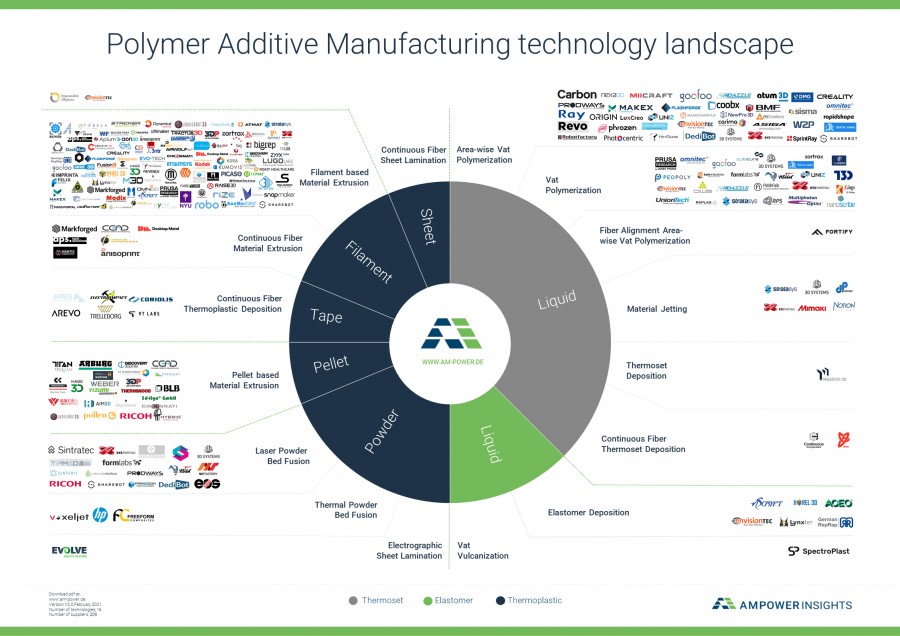
Photo Credits: © AMFG 2020
The future of 3D printing with polymers holds limitless possibilities. As technology advances and materials continue to evolve, we can expect even more remarkable breakthroughs. The future of polymer-based 3D printing holds exciting possibilities. Researchers are actively exploring advanced material combinations, integrating multiple polymers, reinforcing agents, and additives to enhance the mechanical, thermal, and electrical properties of printed objects. This opens avenues for engineering-grade applications and functional prototypes. Another promising development is the field of bioprinting, where biocompatible polymers and living cells are used to create living tissues and organs, potentially revolutionizing medicine and addressing the organ transplant shortage. Additionally, there is a growing interest in developing sustainable polymer materials for 3D printing, with a focus on biodegradable and recycled polymers to reduce the environmental impact of manufacturing processes. These advancements pave the way for a future where 3D printing with polymers continues to push the boundaries of innovation and sustainability.
Polymer-based 3D printing has unleashed a new era of manufacturing, empowering industries to create complex objects with unprecedented ease and precision. The versatility of polymers, coupled with the ever-advancing capabilities of 3D printing technology, has transformed multiple sectors, including aerospace, automotive, healthcare, consumer goods, and architecture. As research and development continue to push the boundaries of what is possible, the future of 3D printing with polymers holds tremendous potential for innovation and sustainable progress. It is an exciting time to witness the transformative power of this technology and anticipate the incredible possibilities that lie ahead.
If you have any other questions or would like to suggest topics for us to write about, please feel free to contact us at prashant.gupta@polymerupdateacademy.com
Author
Dr. Prashant Gupta
Faculty, Polymerupdate Academy

